Projects
Virgin Wines
Virgin Wines
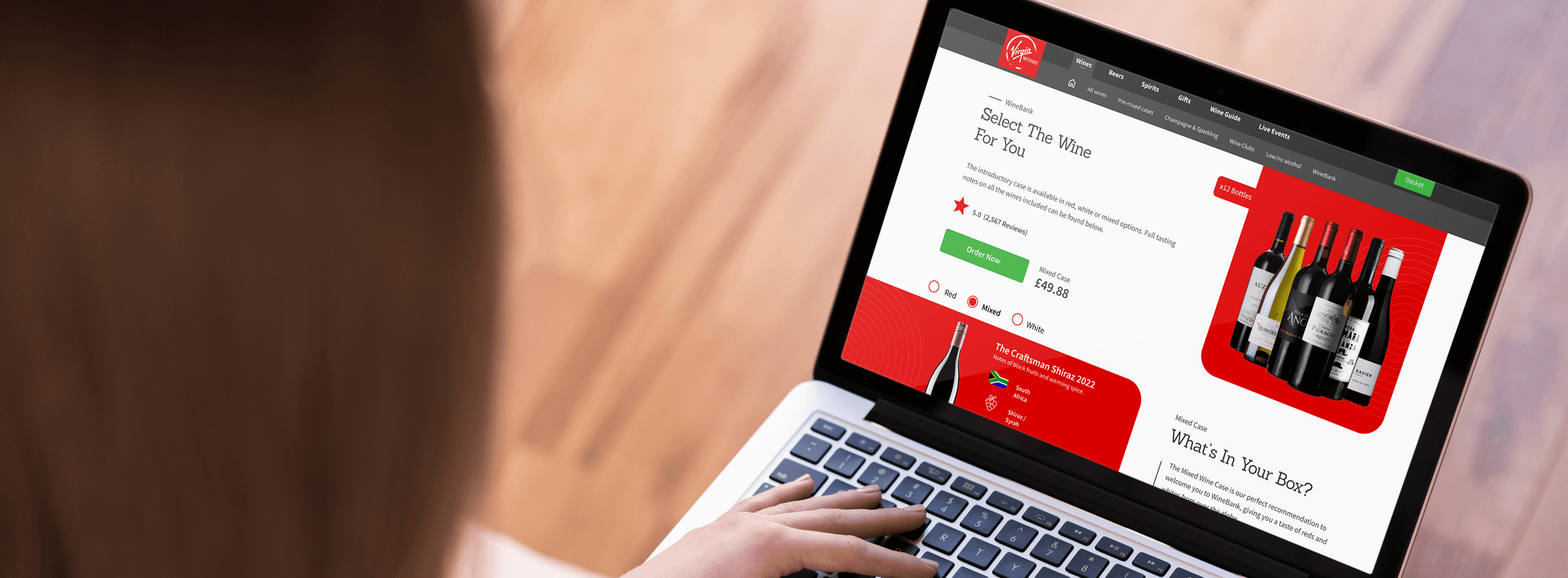
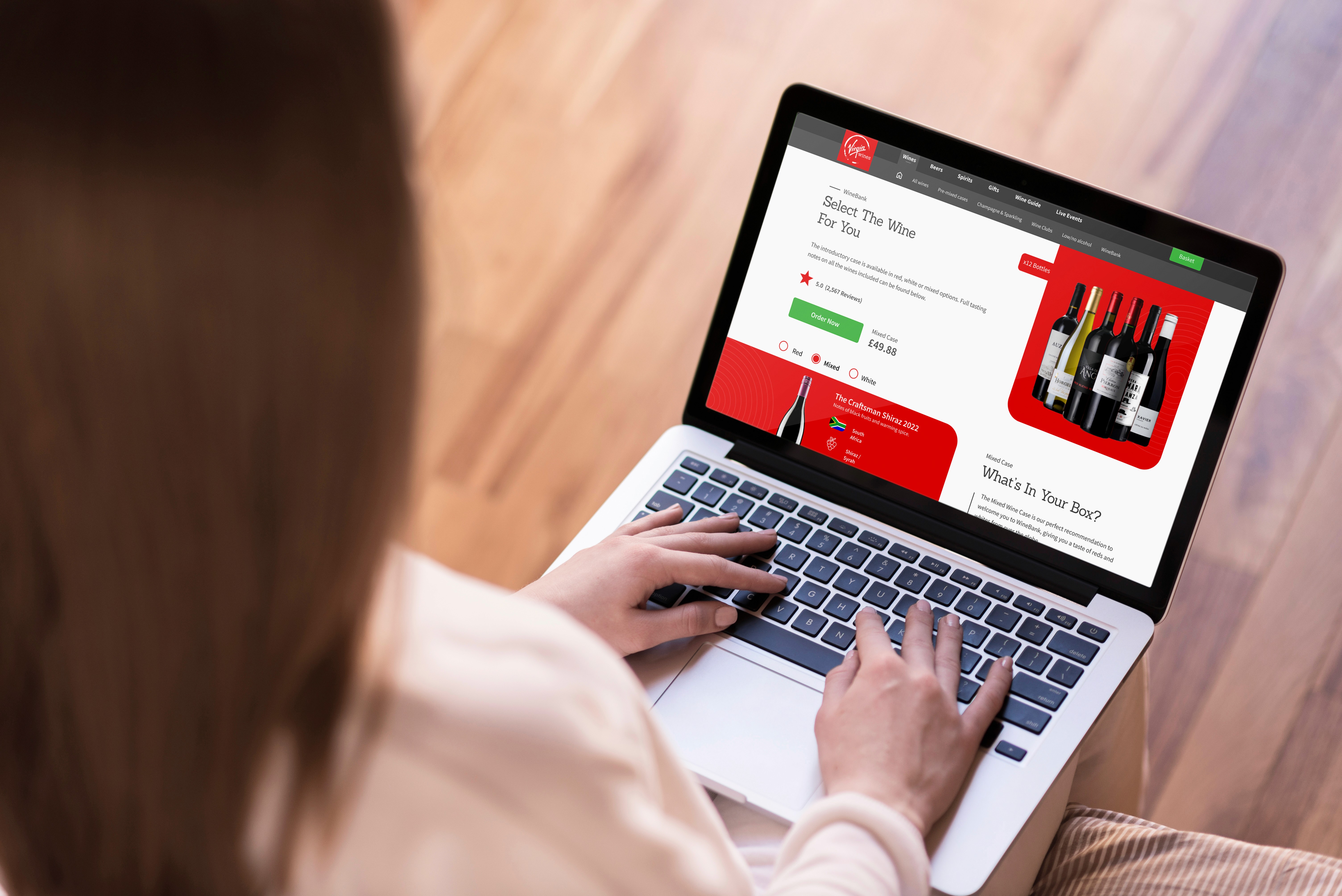
A group project set by Virgin Wines themselves to Redesign their online product to basket flow and voucher scheme to reduce cart abandonment and create a faster, more seamless experience for customers. The results of which were created and later presented to the board of directors.
A group project set by Virgin Wines themselves to Redesign their online product to basket flow and voucher scheme to reduce cart abandonment and create a faster, more seamless experience for customers. The results of which were created and later presented to the board of directors.
The Problem
The Problem
Customers faced too many steps, with too much information crammed into pages that would likely lead to frustration and drop-outs. The flow was not simple and effortless to get through.
Customers faced too many steps, with too much information crammed into pages that would likely lead to frustration and drop-outs. The flow was not simple and effortless to get through.
The Solution
The Solution
My team and I streamlined the process with fewer steps and used larger visual cues accompanied by less, easily read copy. Along with other tweaks this helped make the flow intuitive and quick whilst maintaining Virgin Wines’ brand feel.
My team and I streamlined the process with fewer steps and used larger visual cues accompanied by less, easily read copy. Along with other tweaks this helped make the flow intuitive and quick whilst maintaining Virgin Wines’ brand feel.
1. Research & Discovery
1. Research & Discovery
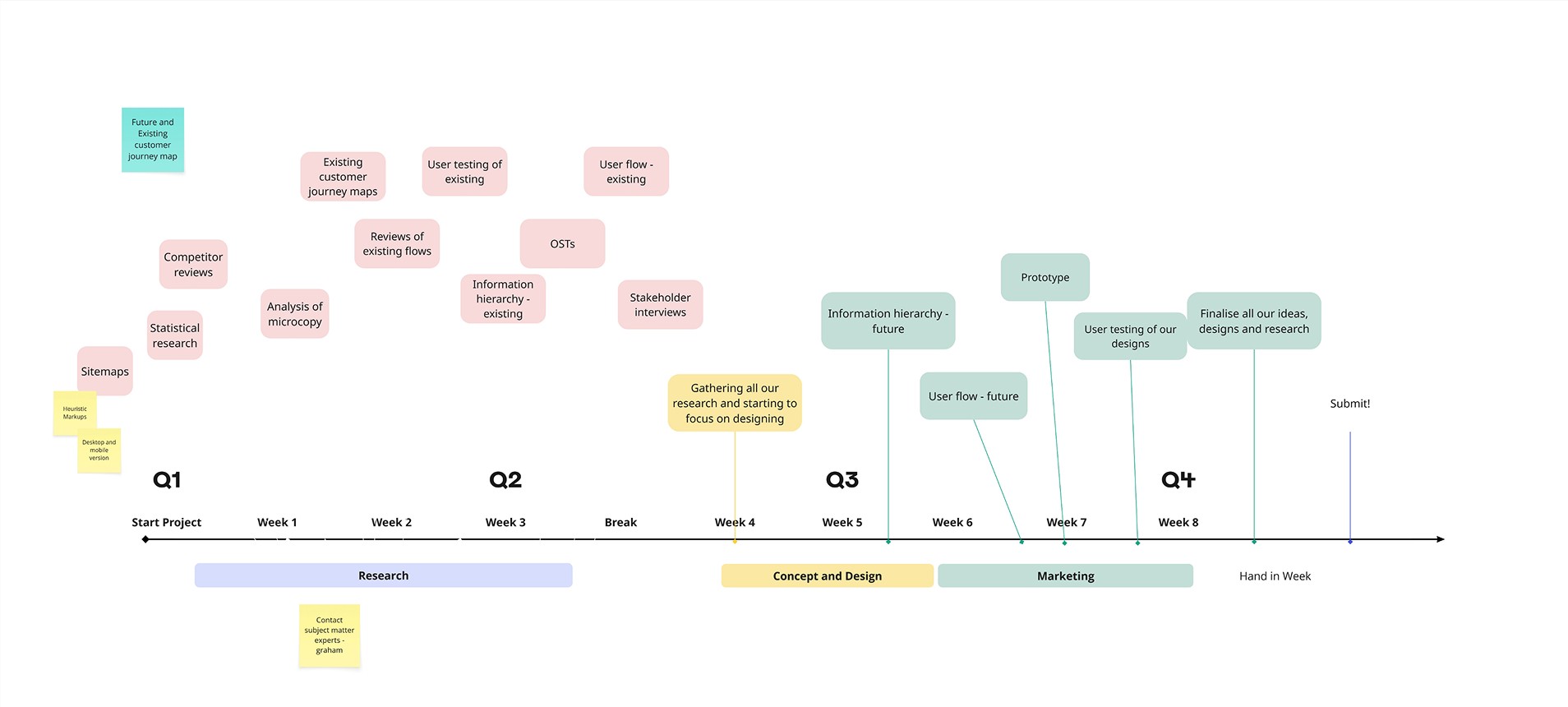
The first thing we did as a team was set out a Timeline for everything we needed to do and the timeframe in which to do it. This kept everyone on track and aware of where we needed to be and ensured we didn’t drag out any steps for too long resulting in a fall off in quality of other elements.
The first thing we did as a team was set out a Timeline for everything we needed to do and the timeframe in which to do it. This kept everyone on track and aware of where we needed to be and ensured we didn’t drag out any steps for too long resulting in a fall off in quality of other elements.
The first thing we did as a team was set out a Timeline for everything we needed to do and the timeframe in which to do it. This kept everyone on track and aware of where we needed to be and ensured we didn’t drag out any steps for too long resulting in a fall off in quality of other elements.
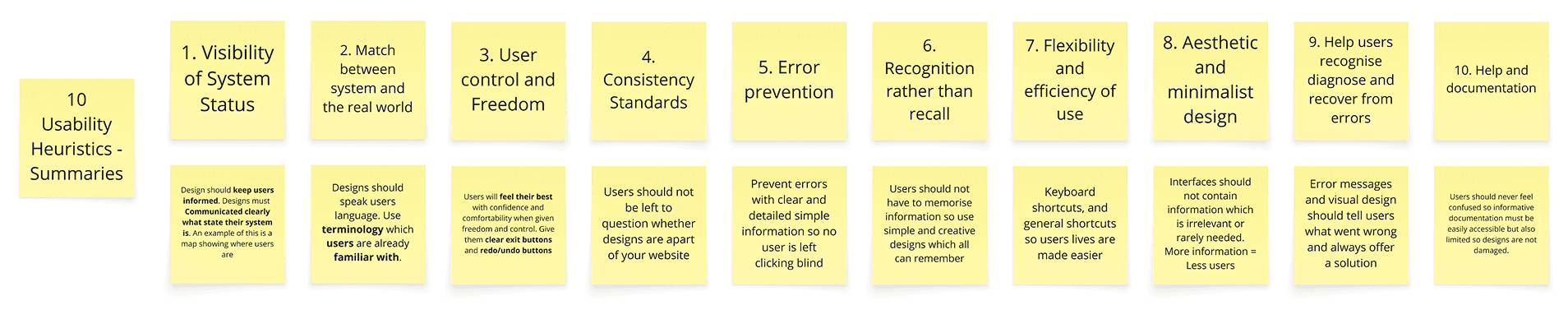
Next we made note of all the fundamentals we needed to prioritise when it came to each aspect of our work. Having a constant reminder of these helped us to apply them at each step of the project.
Next we made note of all the fundamentals we needed to prioritise when it came to each aspect of our work. Having a constant reminder of these helped us to apply them at each step of the project.
Next we made note of all the fundamentals we needed to prioritise when it came to each aspect of our work. Having a constant reminder of these helped us to apply them at each step of the project.
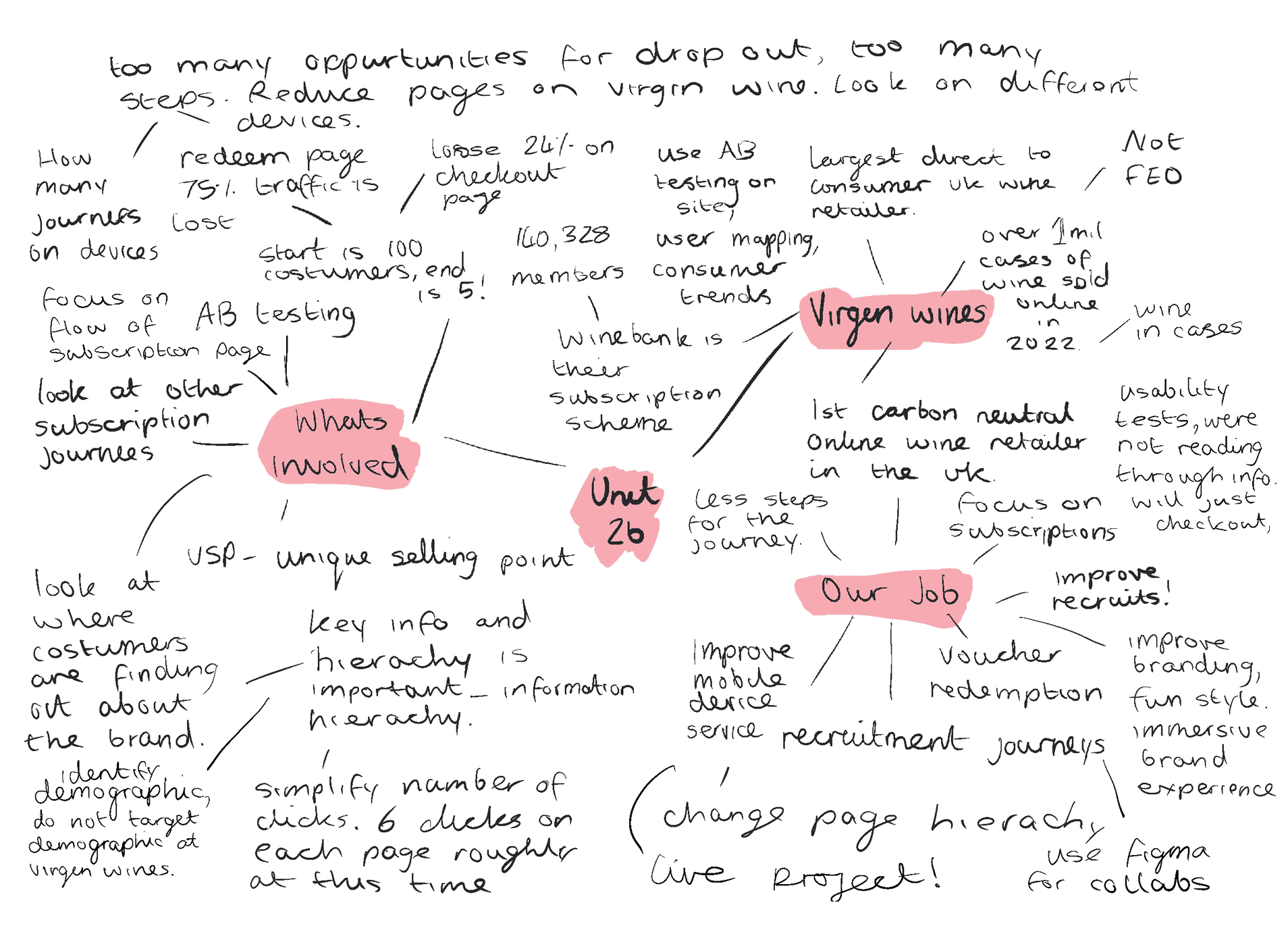
After being briefed we made note of everything we initially knew about the brand, what they wanted implemented and what we wanted to look into to solve it. Our main aim from the get go was to reduce potential drop outs and the number of clicks needed to reach their destination.
After being briefed we made note of everything we initially knew about the brand, what they wanted implemented and what we wanted to look into to solve it. Our main aim from the get go was to reduce potential drop outs and the number of clicks needed to reach their destination.
After being briefed we made note of everything we initially knew about the brand, what they wanted implemented and what we wanted to look into to solve it. Our main aim from the get go was to reduce potential drop outs and the number of clicks needed to reach their destination.
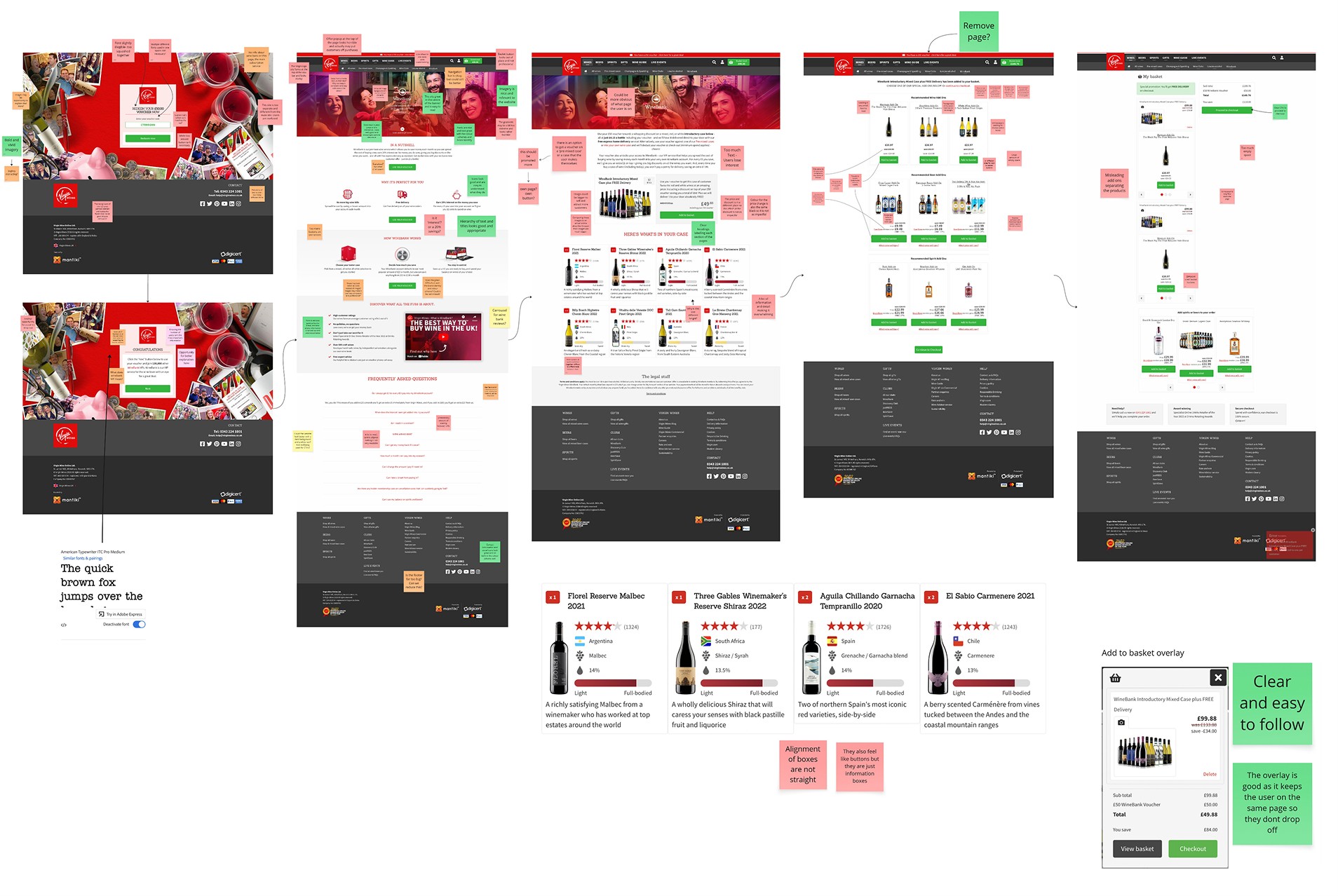
We completed a Heuristic Markup of the site to see what Virgin Wines was already doing well and where in particular we could improve the site. The result of this was deciding to focus reducing overwhelming copy, clearer iconography, making better use of page space and reducing the total number of pages in the journey- all with the intention of reducing drop outs and creating an easier experience for the user.
We completed a Heuristic Markup of the site to see what Virgin Wines was already doing well and where in particular we could improve the site. The result of this was deciding to focus reducing overwhelming copy, clearer iconography, making better use of page space and reducing the total number of pages in the journey- all with the intention of reducing drop outs and creating an easier experience for the user.
We completed a Heuristic Markup of the site to see what Virgin Wines was already doing well and where in particular we could improve the site. The result of this was deciding to focus reducing overwhelming copy, clearer iconography, making better use of page space and reducing the total number of pages in the journey- all with the intention of reducing drop outs and creating an easier experience for the user.
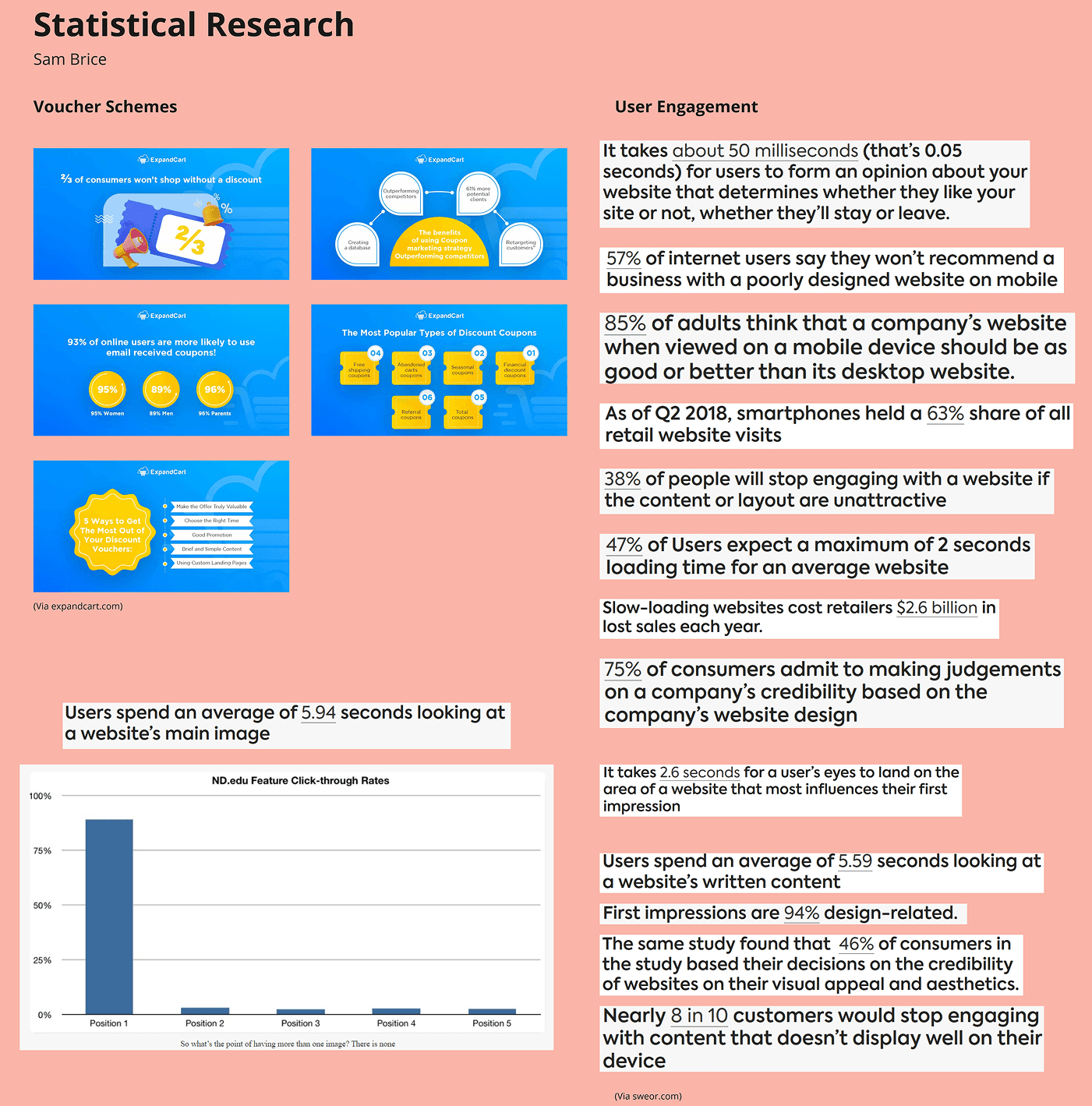
I then completed Statistical Research looking more in depth into user engagement and voucher schemes. Discovering more information on user behaviour when it comes to their time using websites, and what is required to encourage them to stay.
I then completed Statistical Research looking more in depth into user engagement and voucher schemes. Discovering more information on user behaviour when it comes to their time using websites, and what is required to encourage them to stay.
I then completed Statistical Research looking more in depth into user engagement and voucher schemes. Discovering more information on user behaviour when it comes to their time using websites, and what is required to encourage them to stay.
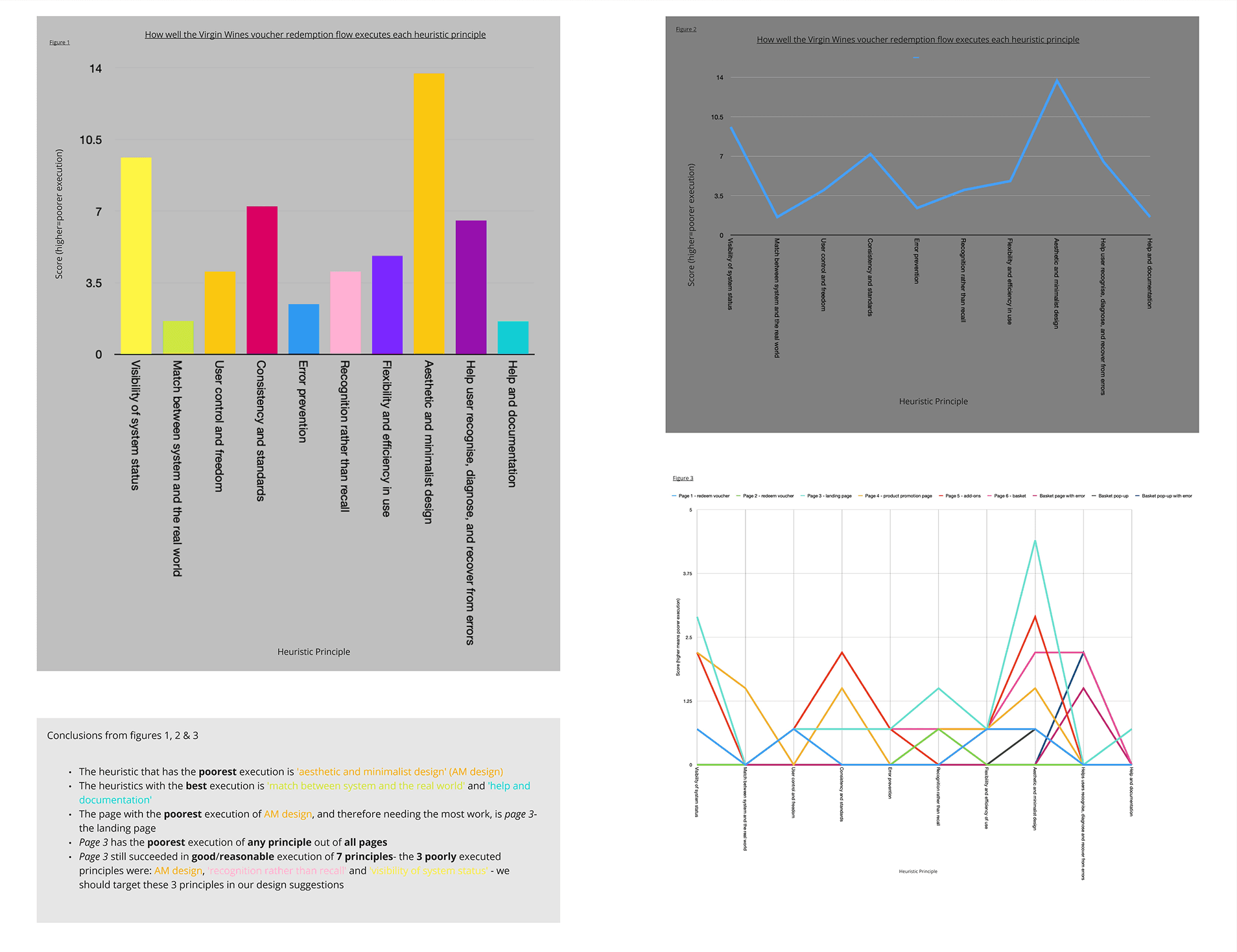
Continuing this Statistical Research, we applied our heuristic principles to the Virgin Wines site to see which areas of the site most needed improving according to the data. This helped to reinforce our decisions and uncover other areas of focus we may have potentially missed.
Continuing this Statistical Research, we applied our heuristic principles to the Virgin Wines site to see which areas of the site most needed improving according to the data. This helped to reinforce our decisions and uncover other areas of focus we may have potentially missed.
Continuing this Statistical Research, we applied our heuristic principles to the Virgin Wines site to see which areas of the site most needed improving according to the data. This helped to reinforce our decisions and uncover other areas of focus we may have potentially missed.
2. Ideation & Process
2. Ideation & Process
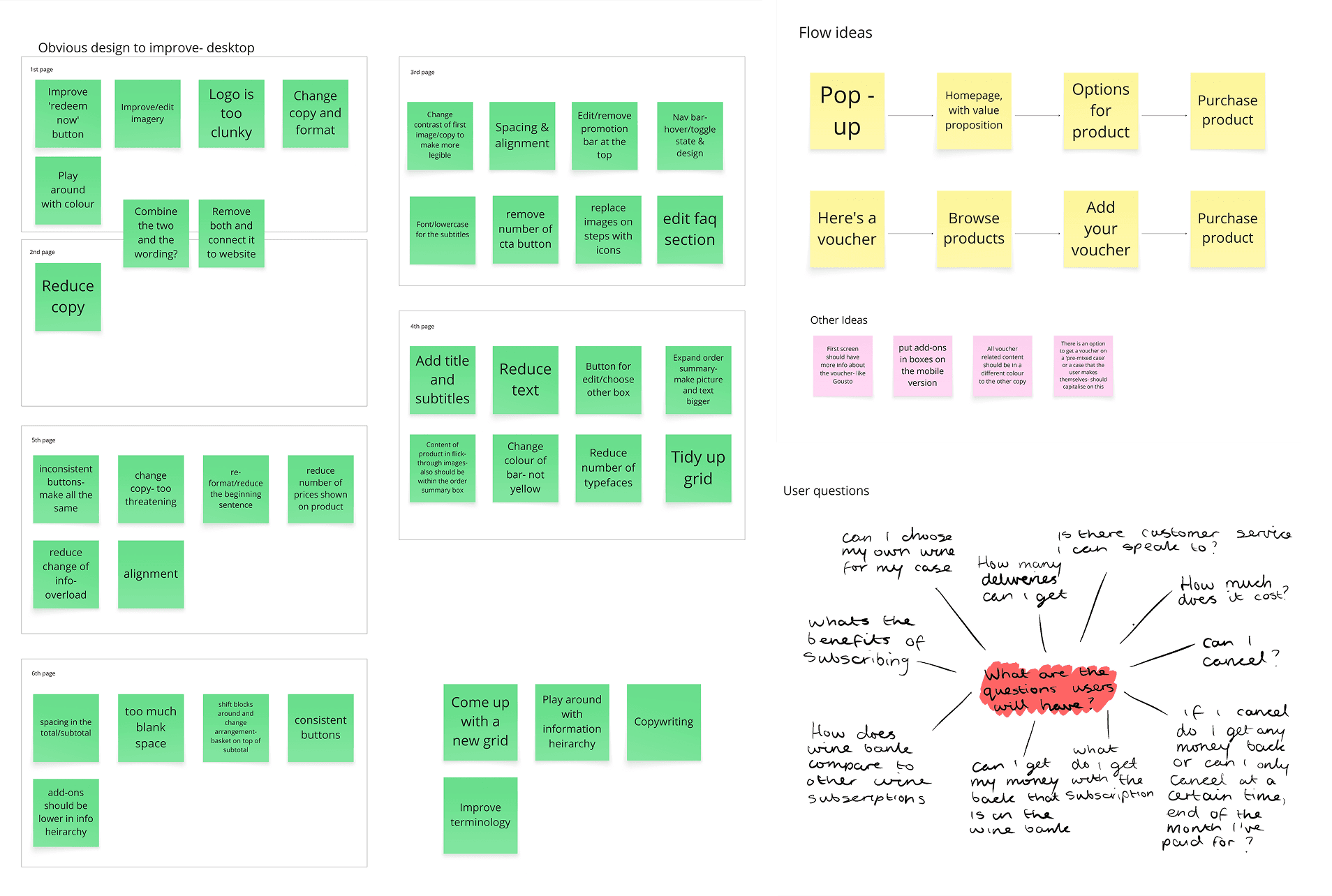
After completing our initial research we came together to discuss our key findings and priorities for the next step. We culminated all of the aspects we needed to improve and implement for each page of the user journey and the questions users would be asking at each step of the way. This meant we were all aligned for when we started designing.
After completing our initial research we came together to discuss our key findings and priorities for the next step. We culminated all of the aspects we needed to improve and implement for each page of the user journey and the questions users would be asking at each step of the way. This meant we were all aligned for when we started designing.
After completing our initial research we came together to discuss our key findings and priorities for the next step. We culminated all of the aspects we needed to improve and implement for each page of the user journey and the questions users would be asking at each step of the way. This meant we were all aligned for when we started designing.
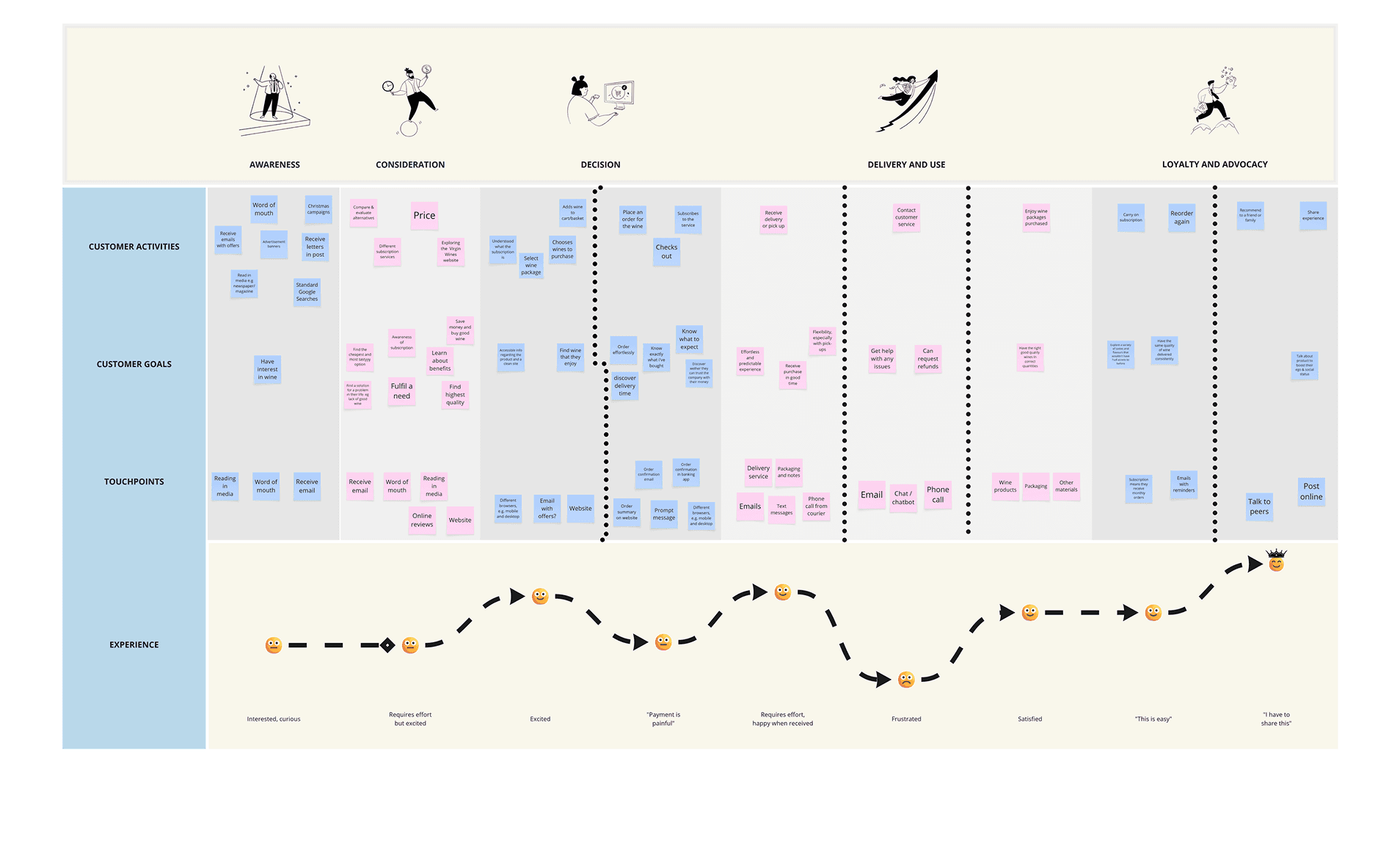
To further confirm our decisions on user priorities we made a Customer Journey Map. This helped put us in the shoes of the user and consider each step of the journey they would progress through. Doing this ensured we could attempt to give users the most seamless journey throughout the site in an attempt to further reduce dropouts.
To further confirm our decisions on user priorities we made a Customer Journey Map. This helped put us in the shoes of the user and consider each step of the journey they would progress through. Doing this ensured we could attempt to give users the most seamless journey throughout the site in an attempt to further reduce dropouts.
To further confirm our decisions on user priorities we made a Customer Journey Map. This helped put us in the shoes of the user and consider each step of the journey they would progress through. Doing this ensured we could attempt to give users the most seamless journey throughout the site in an attempt to further reduce dropouts.

A User Flow gave us a clear idea of how we could reduce the necessary steps needed to reach checkout. Condensing the amount of pages made for a better use of space and made navigation less frustrating.
A User Flow gave us a clear idea of how we could reduce the necessary steps needed to reach checkout. Condensing the amount of pages made for a better use of space and made navigation less frustrating.
A User Flow gave us a clear idea of how we could reduce the necessary steps needed to reach checkout. Condensing the amount of pages made for a better use of space and made navigation less frustrating.
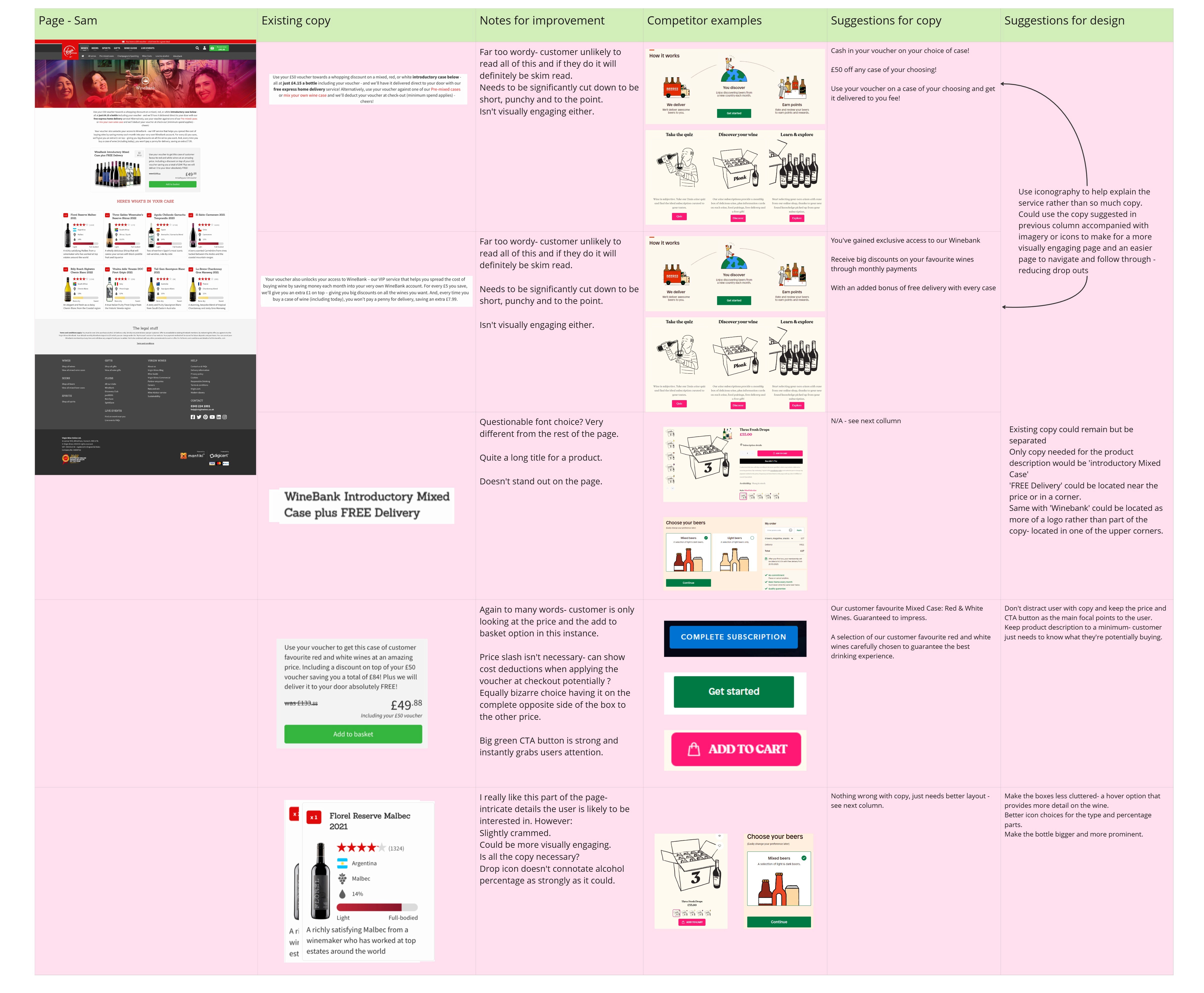
Since making better use of copy was one of our main priorities, we each took a page or section and completed an Analysis of Copy. This involved reviewing all of the copy in said given section and then using a combination of our own ideas and competitor comparisons to find solutions to reducing, simplifying and creating a more effective tone of voice to better the ease of navigation for users.
Since making better use of copy was one of our main priorities, we each took a page or section and completed an Analysis of Copy. This involved reviewing all of the copy in said given section and then using a combination of our own ideas and competitor comparisons to find solutions to reducing, simplifying and creating a more effective tone of voice to better the ease of navigation for users.
Since making better use of copy was one of our main priorities, we each took a page or section and completed an Analysis of Copy. This involved reviewing all of the copy in said given section and then using a combination of our own ideas and competitor comparisons to find solutions to reducing, simplifying and creating a more effective tone of voice to better the ease of navigation for users.
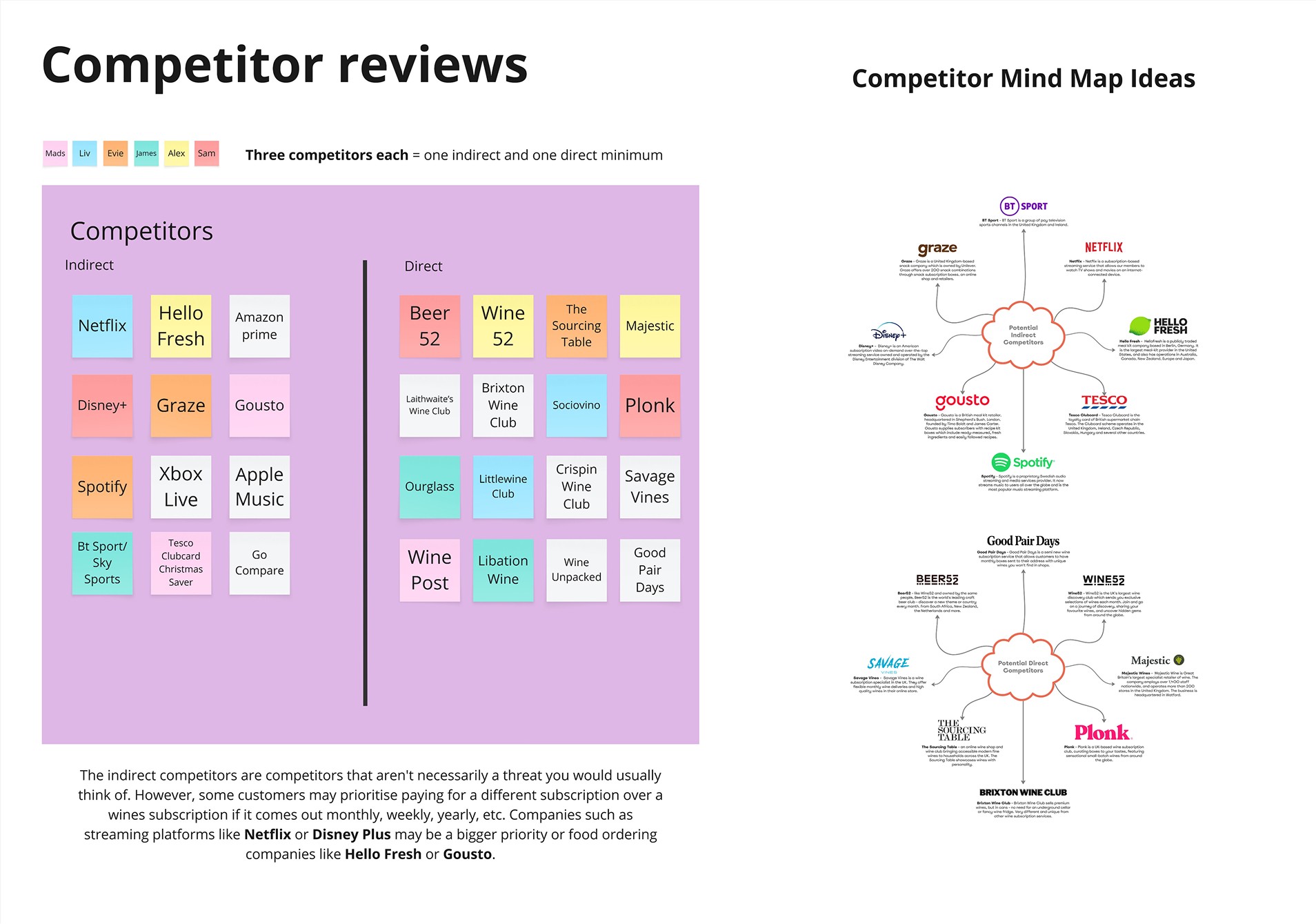
Our final step before designing was Competitor Research. We each picked from both direct and indirect competitors offering voucher schemes and subscriptions so we could compare aspects they were doing well and potentially take inspiration from to implement into our designs.
Our final step before designing was Competitor Research. We each picked from both direct and indirect competitors offering voucher schemes and subscriptions so we could compare aspects they were doing well and potentially take inspiration from to implement into our designs.
Our final step before designing was Competitor Research. We each picked from both direct and indirect competitors offering voucher schemes and subscriptions so we could compare aspects they were doing well and potentially take inspiration from to implement into our designs.
3. Design Stage
3. Design Stage
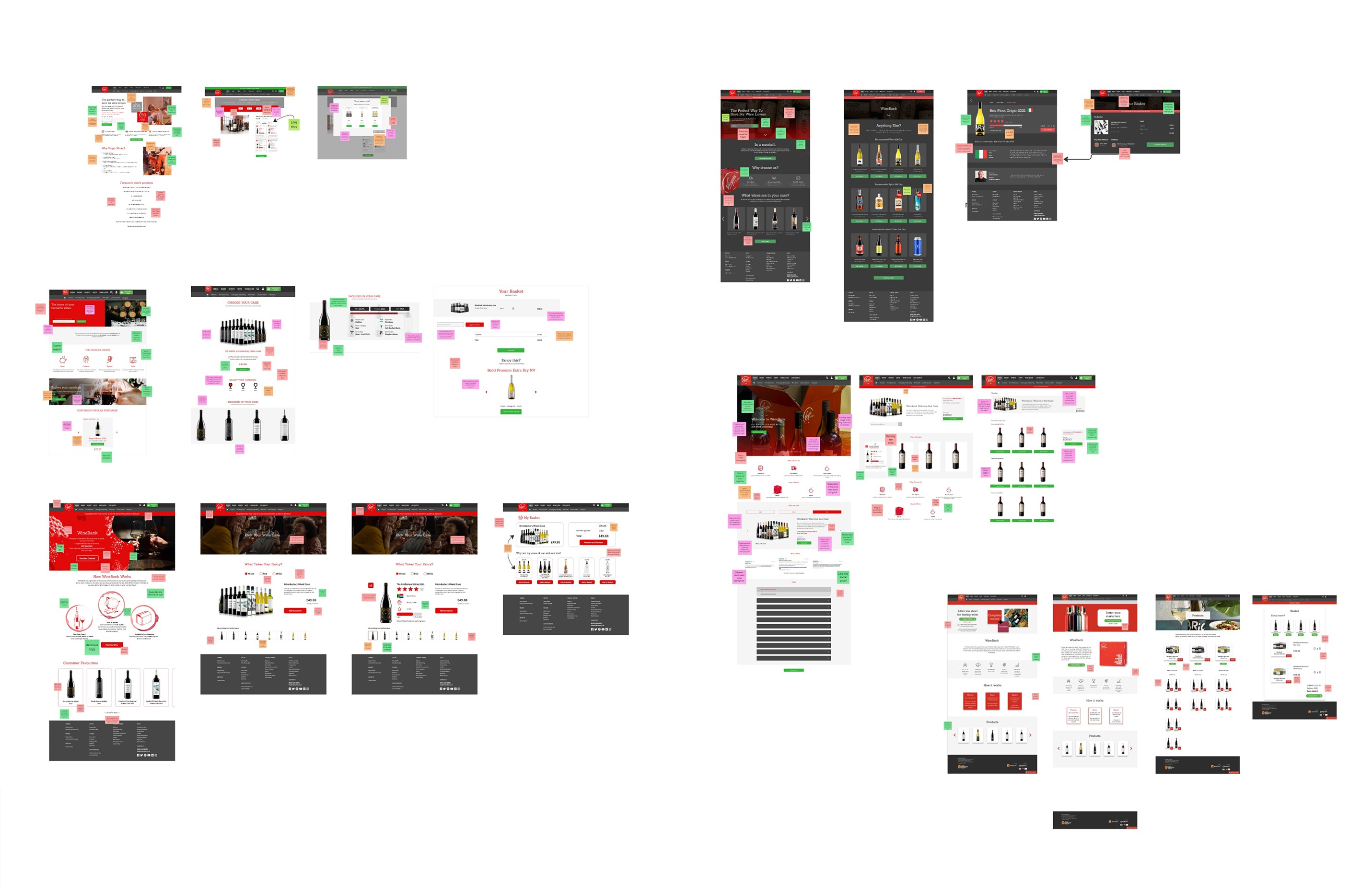
We took all our ideas and split off to individually create our own High Fidelity Designs for the site. Afterwards we came back together and completed heuristic markups on every team members designs anonymously. We then picked out all our favourite aspects of the designs and figured out the best way to combine and utilise them to create the best performing version of the website.
We took all our ideas and split off to individually create our own High Fidelity Designs for the site. Afterwards we came back together and completed heuristic markups on every team members designs anonymously. We then picked out all our favourite aspects of the designs and figured out the best way to combine and utilise them to create the best performing version of the website.
We took all our ideas and split off to individually create our own High Fidelity Designs for the site. Afterwards we came back together and completed heuristic markups on every team members designs anonymously. We then picked out all our favourite aspects of the designs and figured out the best way to combine and utilise them to create the best performing version of the website.
Presentation
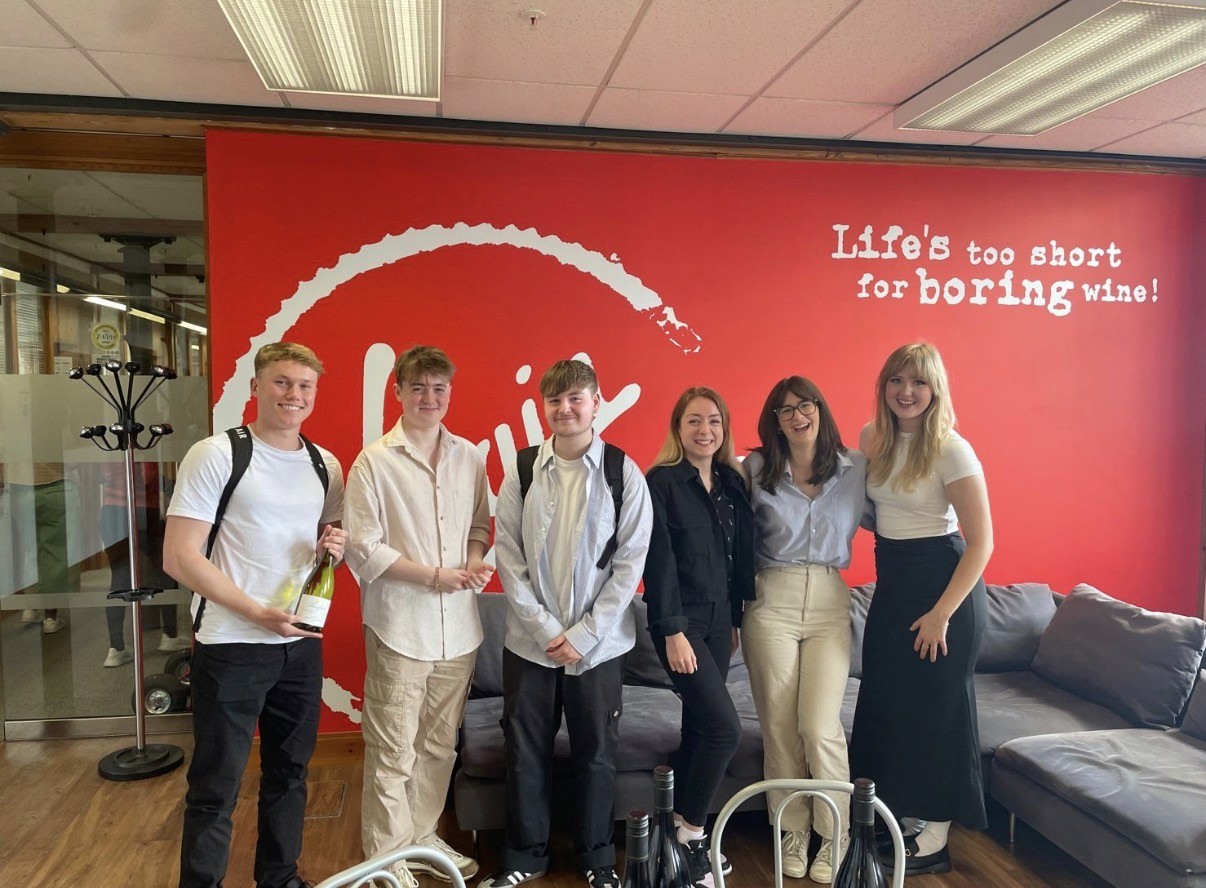
After completing our designs we put together a presentation to show the Virgin Wines board and discuss all our findings and ideas with them. This was a brilliant experience and thankfully they loved our ideas!
Presentation
After completing our designs we put together a presentation to show the Virgin Wines board and discuss all our findings and ideas with them. This was a brilliant experience and thankfully they loved our ideas!
Presentation
After completing our designs we put together a presentation to show the Virgin Wines board and discuss all our findings and ideas with them. This was a brilliant experience and thankfully they loved our ideas!
4. Final Designs
4. Final Designs
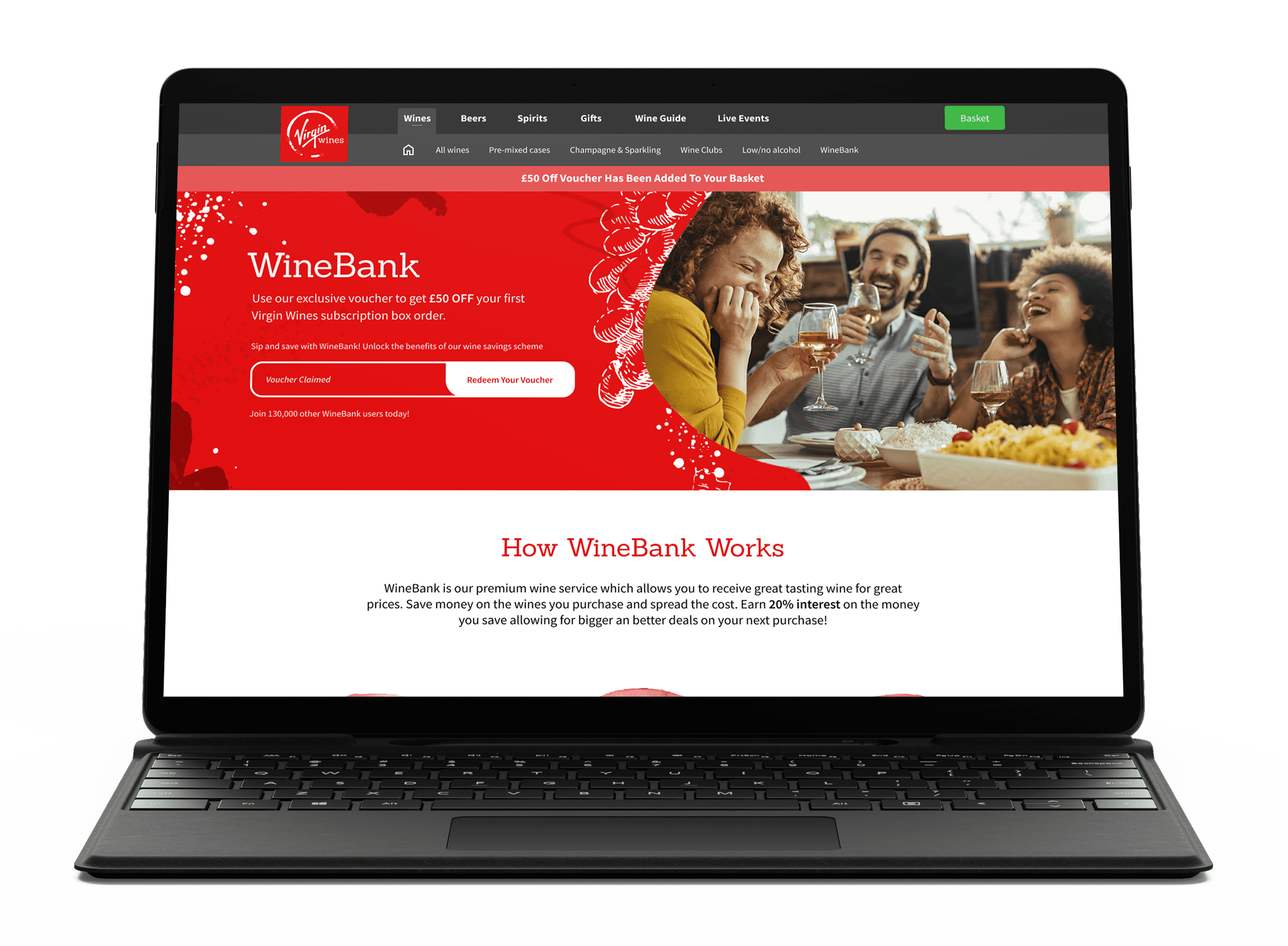
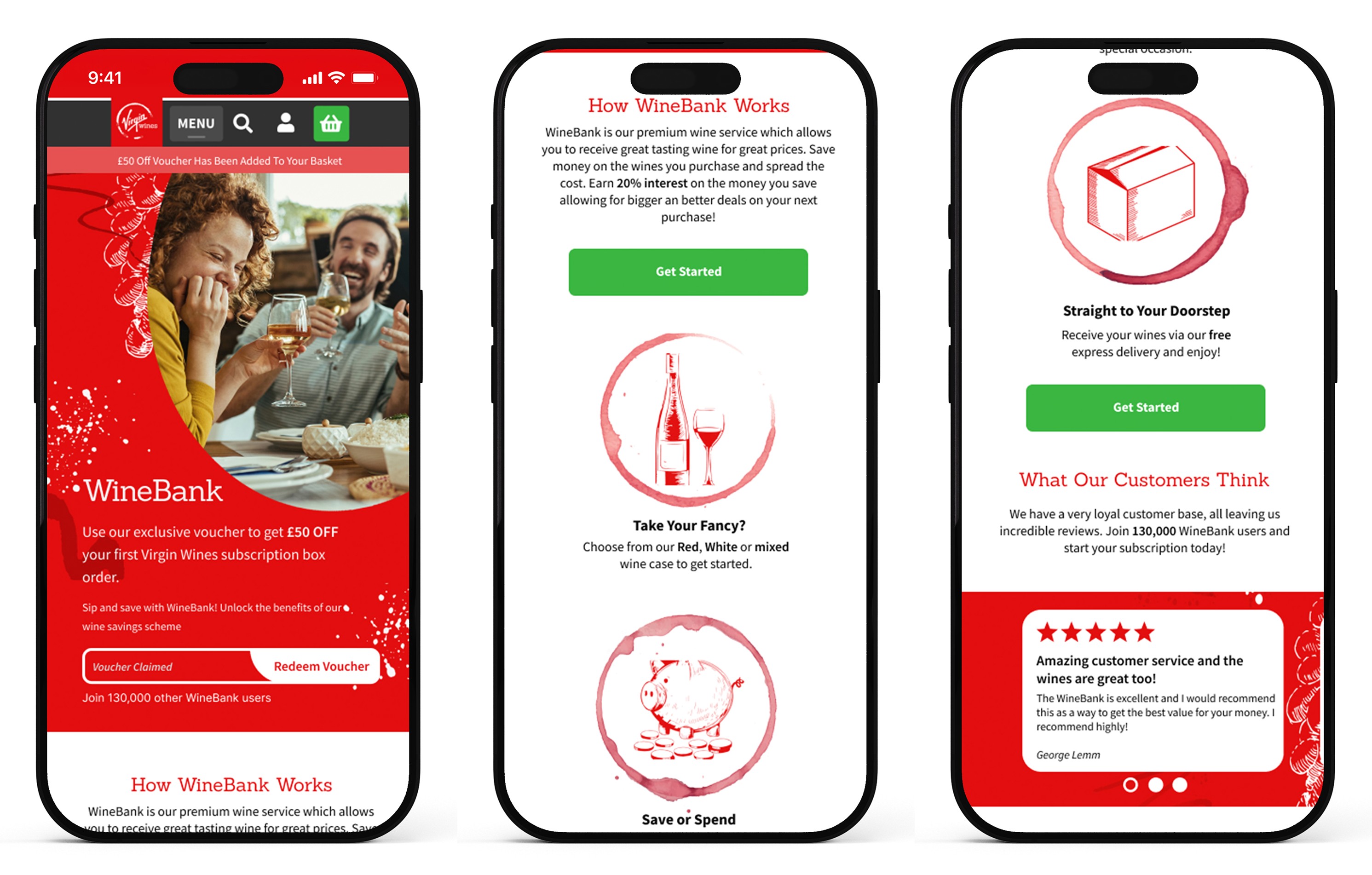
The landing page was designed to immediately prompt the user to take interest in the voucher available to them. To ensure the site was equally as friendly to potential new subscribers, the beginning of the 'How WineBank Works' is clearly visible upon landing on the page. The intent here was to increase intrigue and reduce dropouts.
The landing page was designed to immediately prompt the user to take interest in the voucher available to them. To ensure the site was equally as friendly to potential new subscribers, the beginning of the 'How WineBank Works' is clearly visible upon landing on the page. The intent here was to increase intrigue and reduce dropouts.
The landing page was designed to immediately prompt the user to take interest in the voucher available to them. To ensure the site was equally as friendly to potential new subscribers, the beginning of the 'How WineBank Works' is clearly visible upon landing on the page. The intent here was to increase intrigue and reduce dropouts.
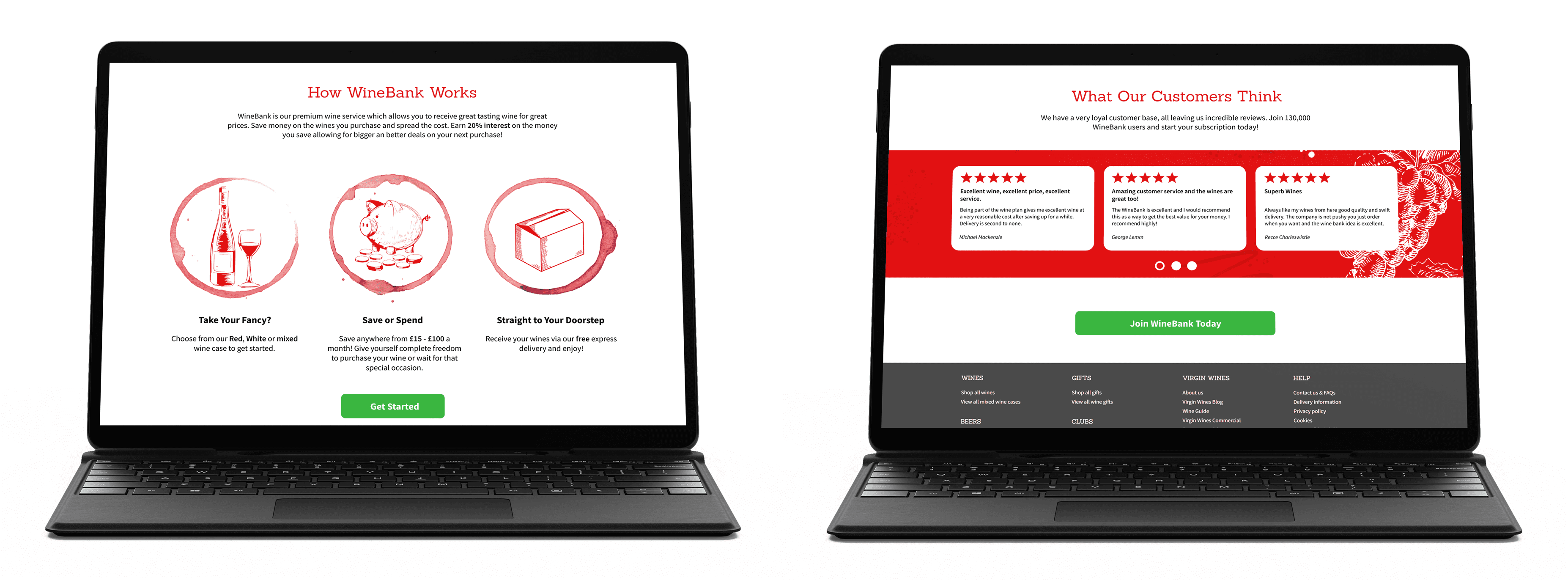
Reduced copy and improved visuals was a key focus in the designs. Explaining how the service works in less, more concise and simple wording were vital in maintaining user attention. Backing the service with social proof was a further step to building trust with the user, with the hope of convincing them to subscribe to the service.
Reduced copy and improved visuals was a key focus in the designs. Explaining how the service works in less, more concise and simple wording were vital in maintaining user attention. Backing the service with social proof was a further step to building trust with the user, with the hope of convincing them to subscribe to the service.
Reduced copy and improved visuals was a key focus in the designs. Explaining how the service works in less, more concise and simple wording were vital in maintaining user attention. Backing the service with social proof was a further step to building trust with the user, with the hope of convincing them to subscribe to the service.
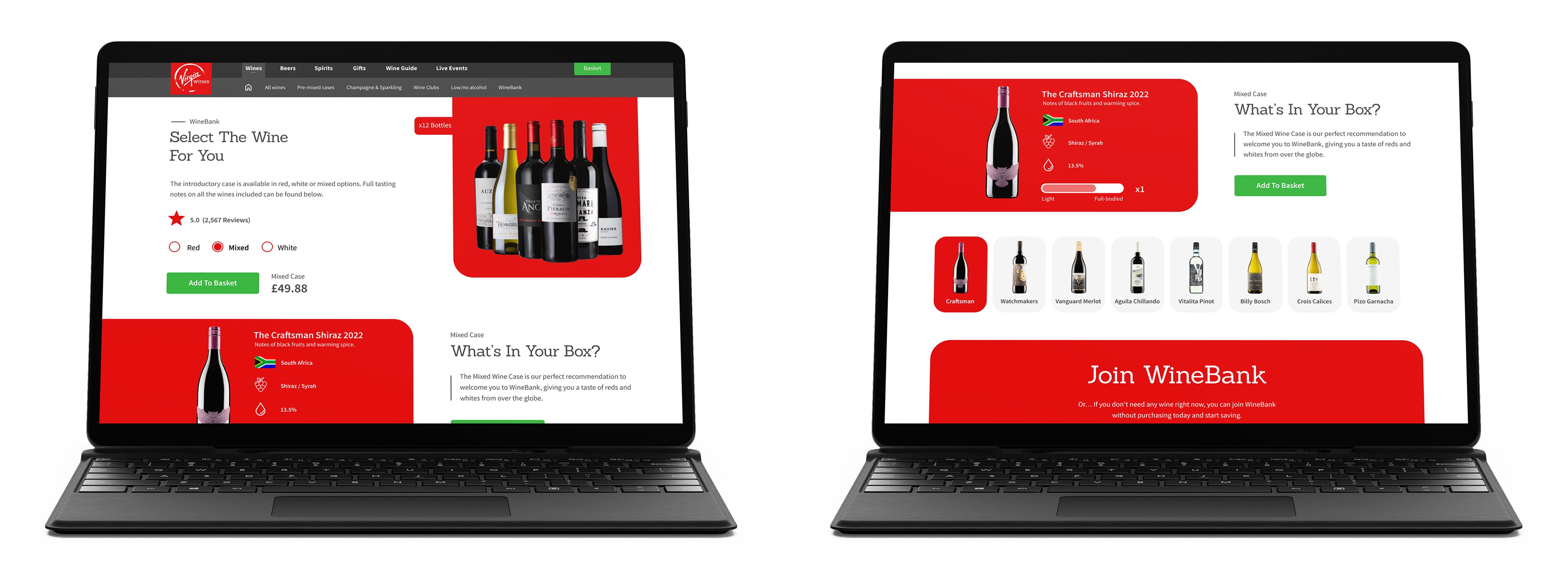
Using Virgin Wines branding we wanted to add some more character to the pages. We maximised the powerful Virgin Wines red to help display products as well as structure the page in a way that made it much easier to follow and navigate.
Using Virgin Wines branding we wanted to add some more character to the pages. We maximised the powerful Virgin Wines red to help display products as well as structure the page in a way that made it much easier to follow and navigate.
Using Virgin Wines branding we wanted to add some more character to the pages. We maximised the powerful Virgin Wines red to help display products as well as structure the page in a way that made it much easier to follow and navigate.
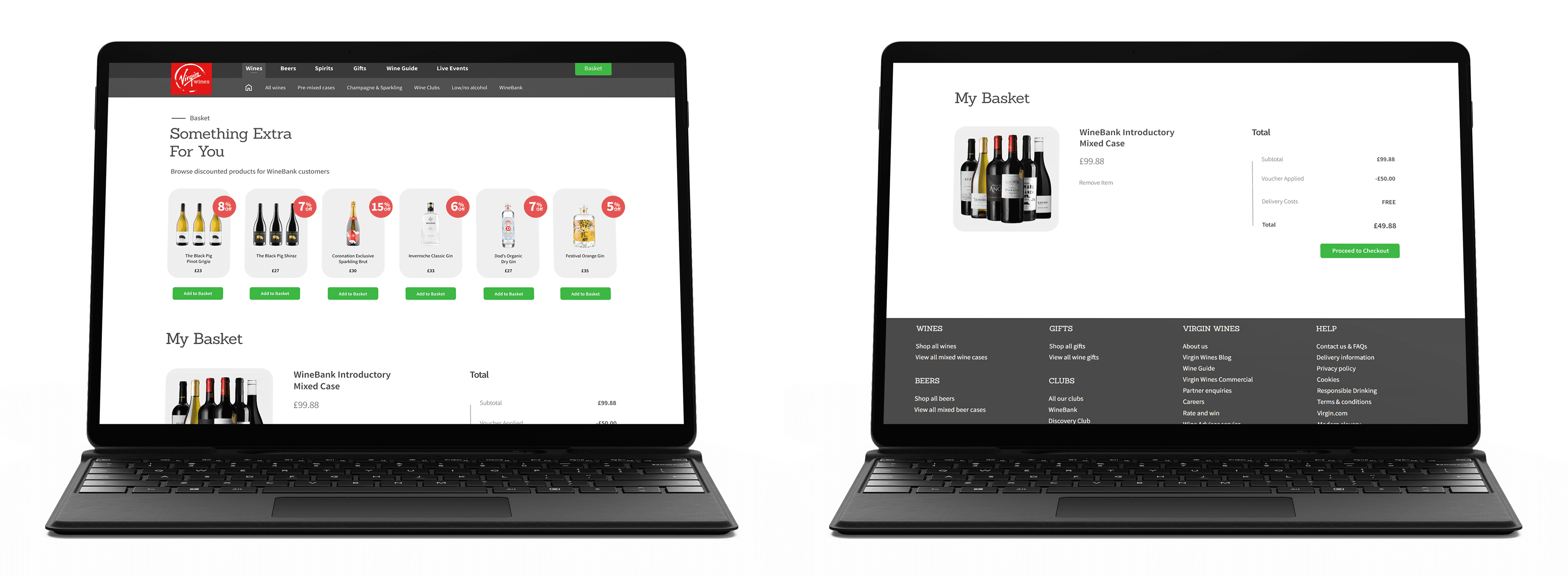
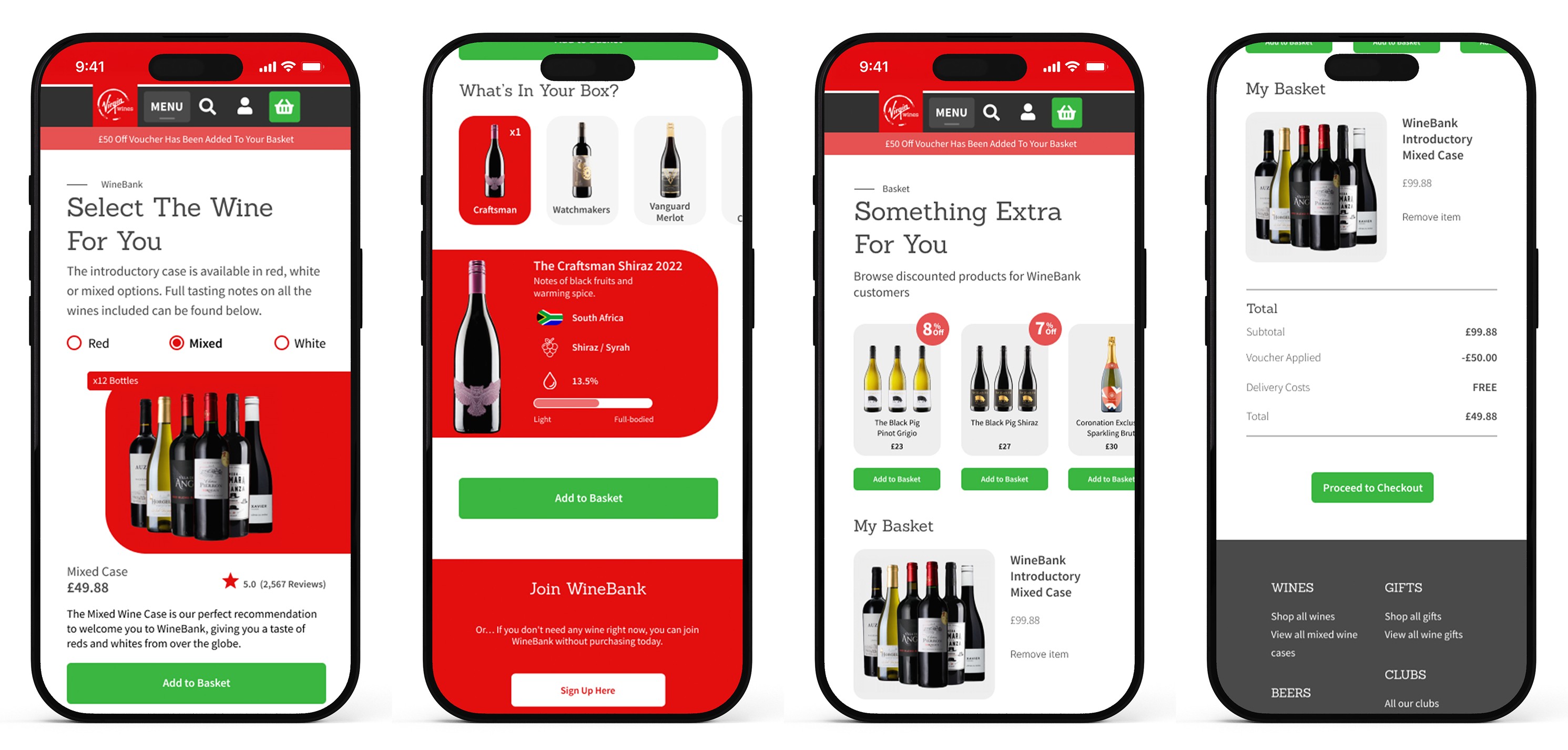
We wanted the checkout process to be as simple and clear as possible as this was the last place at risk of dropouts. Ensuring the basket was clearly on the page at all times meant we could still include Virgin Wines final extra offers section without confusing the user or steering them away.
We wanted the checkout process to be as simple and clear as possible as this was the last place at risk of dropouts. Ensuring the basket was clearly on the page at all times meant we could still include Virgin Wines final extra offers section without confusing the user or steering them away.
We wanted the checkout process to be as simple and clear as possible as this was the last place at risk of dropouts. Ensuring the basket was clearly on the page at all times meant we could still include Virgin Wines final extra offers section without confusing the user or steering them away.
Reflection
Reflection
I believe our team was successful in its main aim of reducing Virgin Wines number of pages, steps and copy in their checkout flow to reduce the number of potential dropouts for users. I think the design made for a more visually appealing and seamless user journey and being able to present this to the Virgin Wines design team was a great privilege and valuable experience for my career moving forward.
This project taught me just how valuable solid team communication is and just how much further you can push a project with the right people. I believe the only thing we missed that could have potentially bettered our final outcomes would have been more user testing. As this could have backed up our personal analysis of the user journey.
I believe our team was successful in its main aim of reducing Virgin Wines number of pages, steps and copy in their checkout flow to reduce the number of potential dropouts for users. I think the design made for a more visually appealing and seamless user journey and being able to present this to the Virgin Wines design team was a great privilege and valuable experience for my career moving forward.
This project taught me just how valuable solid team communication is and just how much further you can push a project with the right people. I believe the only thing we missed that could have potentially bettered our final outcomes would have been more user testing. As this could have backed up our personal analysis of the user journey.